


Batch Testing & Verification Process
Why Analytical Testing Is Essential
The effectiveness and safety of a supplement depend on its composition.
Without analytical testing, identity - hence efficacy - and purity, cannot be confirmed.
Studies and FDA investigations have identified dietary supplements containing undeclared pharmaceutical ingredients or inconsistent composition, demonstrating the importance of independent verification.
Analytical testing ensures that the material matches its intended biological profile and is free from harmful contaminants.
Scientific reference:
Why Shilajit Requires Advanced Testing
Shilajit is a complex natural resin composed of hundreds of organic compounds and trace minerals formed over long geological periods in high mountainous regions.
Its biological activity depends on its composition, which can vary depending on source material and processing.
testing is necessary to confirm:
- Identity
- Purity
- Mineral Composition
- Active Ingredients
- Safety Profile
- Batch Consistency
Why Analytical Testing Is Essential
5 Steps to Verify Your COA
Confirm the testing laboratory is identified
Look for the lab name, address, and accreditation details on the report header.
Look for actual analytical results
Verify numeric data, not just marketing claims or "pass" badges.
Check for heavy metals & microbial screening
Essential safety tests: lead, mercury, arsenic, cadmium, and microbial contamination.
Verify specifications and pass criteria
Results should show defined acceptable ranges with clear pass/fail indicators.
Ensure it's a complete laboratory report
Not a cropped image or graphic—look for full headers, page numbers, and methodology.

Pro tip:
A legitimate COA will have a unique document number, date of analysis, and method references. Be wary of documents that look like marketing materials.
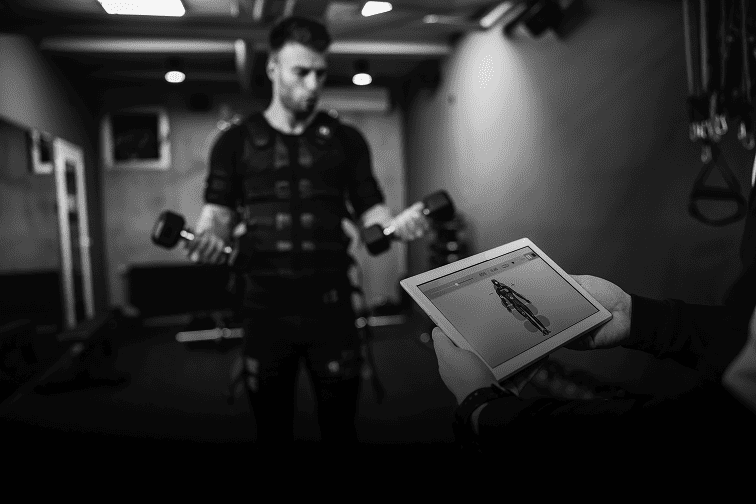
Independent Third-Party Safety Testing with NSF
Pürblack works with NSF, a globally recognized independent analytical laboratory. NSF performs advanced chemistry testing to verify product safety, including:

- Heavy metal analysis
- Microbial testing
- Purity assessment
Third-party testing provides independent confirmation that a batch meets defined quality standards
Internal Analytical Testing for Deeper Verification, Identification and Quantification of Active Ingredients
In addition to third-party testing, Pürblack performs internal analytical testing.
This internal testing provides additional insight into each batch and supports:
- Composition consistency
- Identity verification
- Purity confirmation
- Batch-to-batch continuity
This additional level of analysis supports precise manufacturing control and long-term consistency.
What is a Certificate of Analysis?
A Certificate of Analysis is a laboratory report that documents the analytical results of a specific batch.
It confirms whether the batch meets established specifications for identity, purity, and safety.
USP reference:
A COA serves as the official record of batch verification.
| Laboratory Name: NSF International | Lab name | |
|
Heavy Metal Analysis Lead: <0.5 ppm Mercury: <0.1 ppm Arsenic: <0.2 ppm |
Heavy metal section | |
| Result: PASS | Pass specification | |
| "Each batch is verified and documented." | ||
USP reference:
COA Section |
What It Shows | Why It Matters |
|---|---|---|
Identity |
Confirms the material tested | Verifies authenticity |
Heavy Metals |
Measures lead, mercury, arsenic, cadmium | Ensures safety |
Microbiology |
Tests for microbial contamination | Confirms cleanliness |
Analytical Results |
Measures key compounds or markers | Confirms composition |
Specification |
Defines acceptable ranges | Confirms quality standards |
COA Section
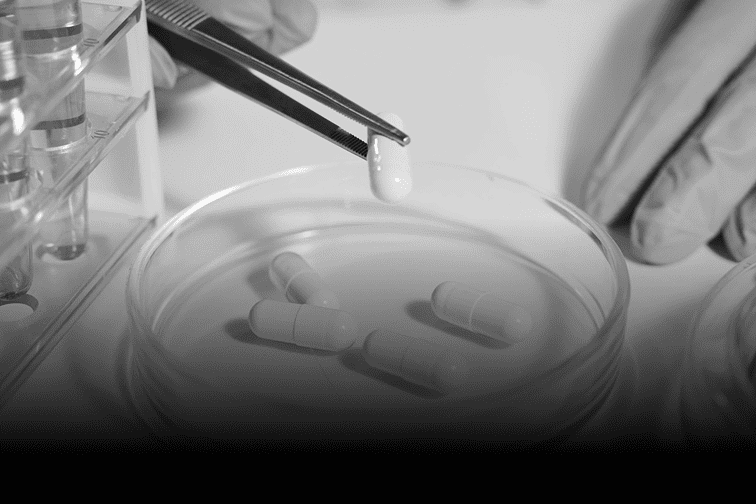
Why Comprehensive COA Testing Matters
Not all Certificates of Analysis provide the same level of verification. COAs may vary depending on:
- Testing scope
- Laboratory standards
FDA manufacturing regulations require scientifically valid testing methods:
https://www.law.cornell.edu/cfr/text/21/111.75Quality Measure |
Standard Industry Practice | Pürblack |
|---|---|---|
Reputable Third-Party Testing |
Rarely | Yes |
Internal Analytical Testing |
Limited | Yes |
Public COA Access |
Rare | Yes |
Analytical Results |
Rarely | Comprehensive |
Quality Measure
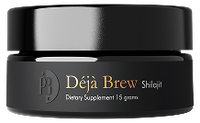
Access Product-Specific COAs
Each product has a corresponding Certificate of Analysis.
These COAs allow verification of:
- Heavy metal analysis
- Microbial testing
- Purity assessment


Frequently Asked Questions
A Certificate of Analysis (COA) is an official laboratory report for a specific batch of a product. It verifies three critical factors: identity (that the material is authentic), purity (that it contains the correct composition), and safety (that it is free from harmful contaminants). It proves the batch meets strict, defined specifications before it is released.
Because we test for more. Standard industry practice rarely includes comprehensive analytical results. Shilajit is a highly complex resin, and its biological activity depends entirely on its composition. While most companies only provide basic pass/fail safety badges, our COAs show actual numeric data quantifying specific active ingredients (like DBPs, Fulvic Acids, and Urolithin A), mineral composition, and authenticity markers.
It provides unbiased, independent confirmation that our products are safe. FDA investigations frequently find supplements with inconsistent compositions or undeclared ingredients. Using a globally recognized independent lab ensures our safety claims—specifically regarding heavy metals and microbial contamination—are verified by an objective outside authority.
Third-party labs excel at standardized safety testing (like screening for heavy metals and microbes). However, Shilajit is incredibly complex. Standard independent labs often lack the specialized methodologies required to accurately identify and quantify the unique organic compounds and active ingredients (like specific DBPs or innate Urolithin A) found in genuine Shilajit. We use third parties for what they do best: unbiased safety verification.
Internal testing gives us precise manufacturing control. It allows us to go deeper than standard safety checks to verify the exact biological composition, quantify active ingredients, and ensure strict batch-to-batch consistency. This guarantees that every product delivers the exact therapeutic properties and potency required by our standards.
Check the batch number. Every legitimate COA includes a specific batch number, date of analysis, and unique document number. You can match the batch number printed on your product directly to the corresponding public COA on our website.
We test for heavy metals (Lead, Arsenic, Cadmium, and Mercury), microbial contamination (including E. coli, Salmonella, Staphylococcus Aureus, Bacillus cereus, Yeast, and Mold), and radioactivity (Cesium and Strontium).
Shilajit is a natural resin formed over long geological periods in high mountainous regions. Because it is sourced directly from the earth, testing for radioactive isotopes like Cesium and Strontium is a necessary, advanced safety measure to ensure the raw material is completely free from environmental radioactive contamination.
For complete transparency. The effectiveness and safety of a supplement depend entirely on its composition. By making our actual lab results public, we prove our quality with hard data rather than just making marketing claims.