



Key Takeaways:
-
Non-stimulant pre-workouts, focused on cellular energy and mitochondrial health, can deliver sustained power and endurance for long cycling rides—without the peaks, crashes, or side effects of caffeine.
-
Strategically combining bioavailable minerals, adaptogens, nitric oxide boosters, and precision hydration supports optimal muscle function, oxygen delivery, and resilience against fatigue and cramping.
-
Pürblack Shilajit Resin® provides a unique foundation of fulvic acids and 85+ trace minerals, enhancing nutrient transport and ATP production for measurable performance gains and long-term metabolic efficiency.
Cyclists chase caffeine for sustained power, but stimulants create peaks and crashes that sabotage long rides. Research confirms that non-caffeinated formulations produce measurable performance effects through cellular mechanisms rather than nervous system stimulation.
The solution lies in precision engineering at the mitochondrial level. You need ingredients that optimize oxygen delivery, enhance mineral transport, and support steady ATP production for hours. Companies like Pürblack have developed endurance protocols targeting cellular regeneration over temporary stimulation. Discover how Pürblack's Shilajit Resin® delivers 85+ trace minerals and fulvic acids for sustained mitochondrial output.
Define the Mission: What a Non-Stimulant Pre-Workout Must Do
A metabolic efficiency pre-workout targets cellular energy systems rather than your nervous system. Research shows that endurance capacity correlates with enhanced mitochondrial function, stable glucose utilization, and improved fat oxidation—not stimulant-driven adrenaline spikes. Your pre-ride protocol must support substrate flexibility, allowing seamless transitions between carbohydrate and fat burning while maintaining steady blood glucose and minimizing lactate accumulation during sustained efforts.
The mechanisms matter more than the marketing. Nitric oxide precursors enhance oxygen and nutrient delivery to working muscles. Bioavailable electrolytes maintain neuromuscular conduction and prevent cramping. Adaptogens promote metabolic resilience by modulating stress responses and facilitating fat utilization without CNS stimulation. Mitochondrial cofactors like those found in high-quality shilajit support ATP production at the cellular level. Track success through measurable outcomes: steady heart rate at target power, reduced perceived exertion, and fewer bonking episodes across long endurance efforts.
Implement these 10 glycogen-sparing strategies to enhance endurance and prevent late-ride collapse during long cycling efforts.
-
Glycogen Sparing Strategies That Prevent Late-Ride Collapse
Your muscle glycogen stores determine when power output starts declining on long rides. Pre-ride and in-ride fueling protocols can extend that ceiling by hours, not minutes.
-
Load carbohydrates strategically: Consume 1-1.5 g/kg body weight 2-3 hours pre-ride, then add a small 30-45 minute top-up if needed.
-
Add sodium for long efforts: Include 2-3 grams of sodium pre-ride when heat or duration exceeds 3 hours to preserve plasma volume and carbohydrate absorption.
-
Stack glucose and fructose: Target 54-82 g/hour on the bike using mixed transporters to increase exogenous oxidation and spare muscle glycogen.
-
Enhance energy economy: Use mitochondrial cofactors to improve fat oxidation and delay glycogen dependence through cellular energy efficiency.
-
Time the final meal: Finish eating at least 2 hours before riding to avoid blood sugar spikes and optimize gastric emptying.
These glycogen-sparing strategies create the metabolic foundation for sustained power. Next, we need to ensure your hydration status supports that carbohydrate delivery system.
-
Precision Hydration for Cyclists: Start the Ride Plasma-Ready
Plasma volume collapse begins before you feel thirsty. By the time dehydration signals reach your brain, cardiovascular efficiency has already declined, and cellular energy transfer starts compromising.
Precision hydration for cyclists requires calculated preloading to maintain osmotic balance and prevent early performance degradation.
-
Preload 500–700 ml water with 700–1,000 mg sodium 60–90 minutes pre-ride — sip steadily rather than chugging to optimize gastric emptying and absorption per NATA guidelines.
-
Calculate your sweat sodium rate during training rides — weigh yourself before/after, track fluid intake, and measure sodium losses to personalize replacement needs.
-
Target 800 mg sodium per liter in your bottles if individual rates are unknown — this concentration supports the 700–1,000 mg preload while adjusting based on body-mass change and neuromuscular disruption over multiple rides.
-
Avoid coffee, diuretics, and hidden stimulants in pre-ride supplements — these create transient fluid shifts that compromise steady osmolality during long efforts.
-
Use fulvic acid-bound minerals to enhance cellular uptake — compounds like those in Pürblack Shilajit Resin® improve mineral transport and bioavailability compared to generic electrolyte salts.
This preloading protocol establishes the hydration foundation your mitochondria need for sustained output. Next, we engineer blood flow and oxygen delivery without relying on central nervous system stimulation.
-
Non-Stimulant Nitric Oxide Boosters for Blood Flow and Delivery
Oxygen delivery determines power sustainability over hours, not minutes. When working muscles receive efficient nutrient flow, you maintain target watts without the metabolic debt that triggers late-ride collapse.
The nitrate-nitrite-NO pathway reduces oxygen cost by 3–5% while improving endurance capacity—non-stimulant nitric oxide boosters that deliver measurable performance gains without caffeine dependency.
-
Target 300–600 mg dietary nitrate from beetroot concentrate consumed 2–3 hours pre-ride for peak plasma nitrite.
-
Add 3–6 g L-citrulline 45–90 minutes before riding to enhance cycling performance through increased arginine availability.
-
Include polyphenols from cacao or grape extract to preserve NO bioavailability under oxidative stress during prolonged efforts.
-
Skip antibacterial mouthwash on ride mornings—oral bacteria convert nitrate to bioactive nitrite for your non-stimulant nitric oxide boosters.
-
Consider targeted peptides with L-arginine for chronic vascular support between training blocks.
This systematic approach extends your sustainable power ceiling without central nervous system stimulation. The next component addresses the mineral foundation that enables this metabolic advantage.
-
Shilajit for Endurance Athletes: Mineral Intelligence Meets Mitochondria
Pürblack Shilajit Resin® delivers fulvic and humic acids alongside 85+ trace minerals that help transport energy within your cells' power centers. Research shows shilajit preserves mitochondrial respiratory complex activities and maintains membrane potential during prolonged stress. The fulvic acid fraction acts as a natural carrier molecule, enhancing cellular uptake of minerals that support ATP generation without central nervous system stimulation. Clinical studies demonstrate reduced fatigue and improved energy metabolism at doses of 250–500 mg daily.
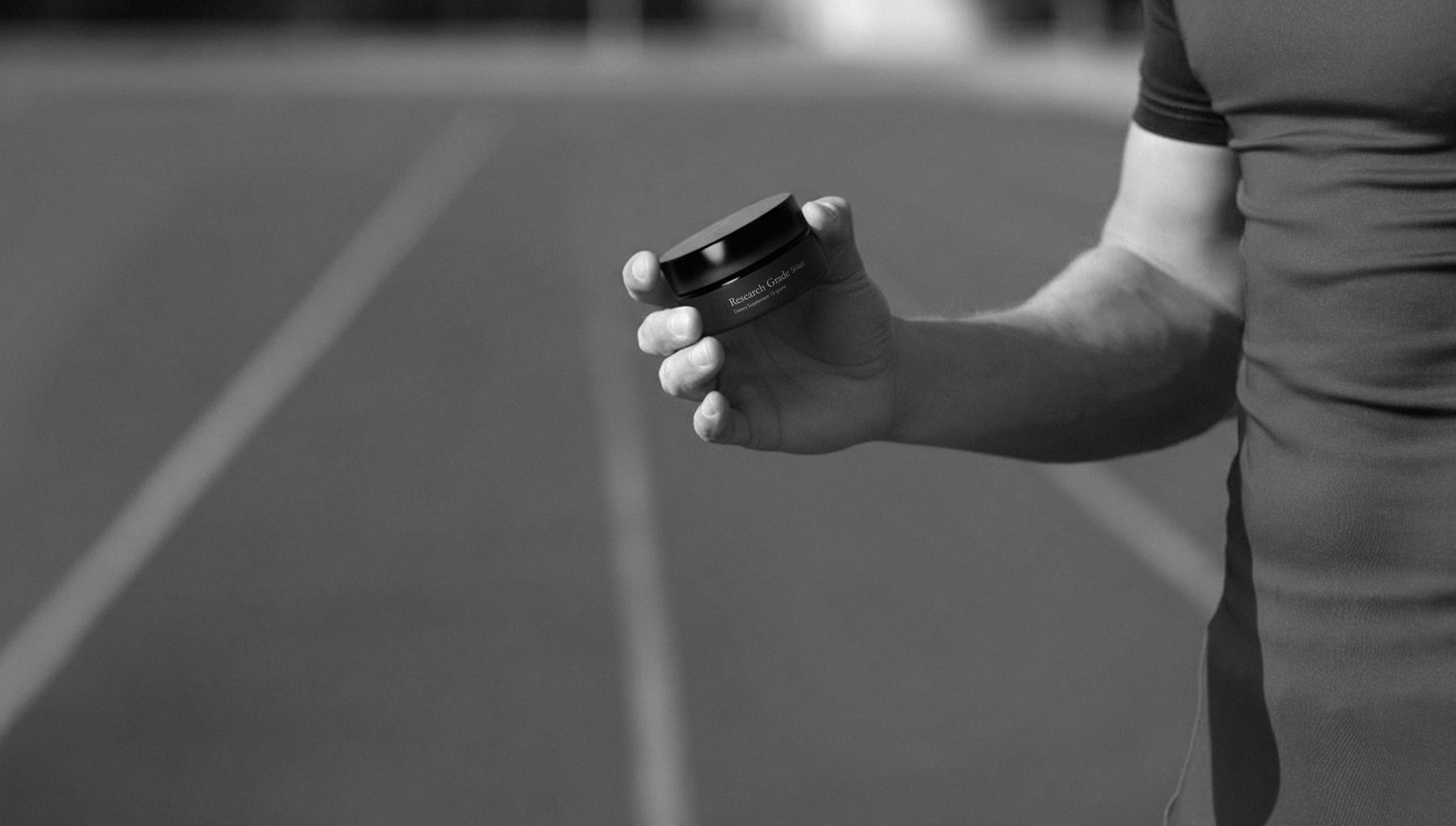
This cellular-level support translates into precise dosing protocols. Take 250–500 mg every morning on an empty stomach, dissolved under the tongue or in warm water or tea. Never use boiling water, which destroys heat-sensitive bioactives. Choose True Gold for enhanced neuroprotection during high-stress rides, or Research Grade for unaltered mineral potency. Use the Pürscale® device for precise measurement and cycle 1–2 days off weekly to maintain effectiveness. This mineral foundation supports steady power output across hours, not minutes.
-
Adaptogenic Support for Sustained Performance, Not Stimulation
Adaptogenic support for sustained performance works by modulating your hypothalamic-pituitary-adrenal (HPA) axis—your body's central stress response system. This creates steady energy output and cognitive clarity through biological resilience, not artificial stimulation.
-
Rhodiola rosea at 200–400 mg standardized extract reduces perceived exertion and maintains mental focus.
-
Ashwagandha root extract (300–600 mg) stabilizes cortisol and prevents HPA-axis overactivation during multi-hour efforts.
-
Pürblack Shilajit Resin® provides fulvic acids and minerals that enhance cellular stress adaptation.
-
Take adaptogens daily (morning on an empty stomach) for 4–6 weeks to measure improvements in HRV and power consistency.
-
Stack multiple adaptogens together rather than rotating single ingredients for comprehensive physiological buffering.
This approach targets your body's adaptive capacity rather than forcing temporary arousal. Chronic adaptogenic protocols build the foundation for consistent output without sympathetic overstimulation.
-
Cellular Energy Optimization Without Caffeine
Mitochondrial cofactors rebuild energy production at the source. These compounds support fatty acid transport, electron flow, and antioxidant recycling without stimulants.
-
CoQ10 (100–200 mg) facilitates electron transport and ATP synthesis in working muscles.
-
Acetyl-L-carnitine (1–2 g) shuttles long-chain fatty acids into mitochondria for sustained β-oxidation during aerobic efforts.
-
Alpha-lipoic acid (100–300 mg) enhances glucose uptake while recycling antioxidants like vitamin C and E.
-
Take cofactors 60–90 minutes pre-ride to align peak plasma levels with early workload demands.
-
Choose ubiquinol over ubiquinone for 3-5x better absorption and pair with dietary fat.
Cellular energy optimization requires precision timing and bioavailable forms. Pürblack True Gold delivers gold-enhanced mitochondrial fuel while Shilajit Live Resin® enhances mineral transport and cofactor utilization at the cellular level.
-
Mitochondrial Output for Endurance: Build the Engine Before the Ride
Mitochondrial biogenesis creates more cellular power plants, not temporary energy spikes. PQQ supplementation at 10-20 mg daily increases PGC-1α protein levels, a marker of new mitochondria formation. Niacinamide (250-500 mg) supports NAD+ availability, fueling the electron transport chain during prolonged efforts. These nutrients work over weeks to expand your cellular capacity, building the foundation for sustained power output without relying on stimulants.
Pair these mitochondrial builders with Pürblack Research Grade shilajit to facilitate electron shuttling and mineral-dependent enzyme function. Fulvic and humic acids in shilajit act as transport matrices for the 85+ trace minerals that support mitochondrial complexes. Track your progress by monitoring the same route at the same power output. Lower heart rate over 4-6 weeks indicates improved mitochondrial efficiency—your engine is getting stronger, not just louder.
-
Bioavailable Minerals for Muscle Function: Cramp Insurance
Mineral form matters more than mineral quantity when preventing cramping during extended rides. Your muscles need specific electrolytes in forms they can actually absorb and utilize under stress.
-
Choose magnesium glycinate or citrate (100–200 mg pre-ride) over oxide forms to minimize GI distress while supporting neuromuscular conduction.
-
Target potassium citrate or glycinate (200–400 mg) paired with adequate sodium to maintain proper muscle function without cramping.
-
Consider fulvic-acid bound minerals like those in Pürblack Shilajit Live Resin® for enhanced cellular transport versus generic mineral salts.
-
Avoid calcium loading pre-ride; excess calcium can impair magnesium and potassium function, increasing cramp risk.
-
Time mineral intake 60–90 minutes pre-ride to align peak absorption with early workload demands.
Research shows that magnesium supplementation in professional cyclists reduced muscle damage markers during multi-stage races. The NIH emphasizes that bioavailable minerals for muscle function become critical during endurance efforts exceeding one hour, where sweat losses outpace dietary replacement of cellular reserves. Beyond individual minerals, your body needs broader systemic support to maintain resilience across hours of sustained output.
-
Systemic Resilience in Long-Distance Cycling: Oxidative and Osmotic Control
Long rides create heat buildup, cellular dehydration, and oxidative damage that challenge systemic resilience in long-distance cycling. These compounds maintain function when thermal and metabolic stress exceed normal buffering capacity.
-
Taurine (1–2 g) stabilizes calcium handling and supports improved heat dissipation through enhanced sweating during prolonged heat exposure.
-
Betaine anhydrous (1.25–2.5 g) acts as an osmolyte to preserve cellular hydration and methylation pathways under duration stress.
-
Decaffeinated green tea catechins (300–600 mg) protect nitric oxide signaling through endogenous antioxidant pathways without central nervous system activation.
-
Timing matters: Take taurine and betaine 60–90 minutes pre-ride; polyphenols work both acutely and with chronic loading.
-
Pair with minerals: These osmolytes work synergistically with bioavailable trace minerals like those found in shilajit resin for comprehensive cellular support.
These three compounds target the cellular vulnerabilities that cause late-ride performance collapse. Your mitochondria stay protected, your cells maintain volume, and blood flow remains optimized without relying on stimulants.
-
Electrolyte Balance Without Stimulants: The Anti-Bonk Safeguard
This final step prevents late-ride power collapse by optimizing sodium stores and phosphocreatine buffering before you clip in. Electrolyte balance without stimulants requires precise timing and verified replacement targets.
-
Top off with 600–1,000 mg sodium: 30–60 minutes pre-ride using 16–24 oz of high-sodium sports drink (300+ mg Na per serving).
-
Verify your sweat rate using scale-based testing: pre/post nude weight difference plus fluid consumed reveals hourly losses.
-
Add 2–4 g creatine monohydrate daily (not acute) to support phosphocreatine buffering and maintain steady power output.
-
Stage carbohydrates at 54–82 g/h in bottles, matching glucose-fructose ratios to your tolerance training and ride duration
-
Match sodium plan to conditions: increase to 1,200 mg/h for salty sweaters or rides exceeding four hours in heat
Your mineral foundation — Research Grade Shilajit supports cellular transport and electron shuttling throughout this process. Complete your sodium top-off 45 minutes before departure, stage bottles at target concentrations, and verify your creatine consistency over the past two weeks. The outcome: sustained power without cramping, bonking, or cognitive fade.
FAQ: Build Confidence Before You Clip In
Building a non-stimulant protocol raises practical questions about effectiveness, timing, and tolerance. These answers address the most common concerns cyclists face when transitioning from caffeine-based stacks to cellular energy optimization.
Can non-stimulant stacks match caffeine for long rides?
Non-stimulant approaches target different mechanisms than caffeine's central nervous system stimulation. Research shows non-stimulant pre-workouts can support power output through improved oxygen efficiency and metabolic pathways. While caffeine delivers 1.7-4.6% performance improvements, non-stimulant stacks optimize sustained energy without the crash or sleep disruption.
How do I avoid GI distress when using beetroot, minerals, and carbs together?
Start with concentrated beetroot shots (70-140ml) rather than large juice volumes to reduce sugar-related GI load. GI symptoms from beetroot are dose-dependent and individual. Take minerals with small amounts of food, space beetroot 2-3 hours from other supplements, and test protocols during training rides before event day.
What's the best timing if I train early and can't eat a full meal?
Small, easily digestible carbohydrate sources (20-40g) consumed 30-60 minutes before training can prevent performance decrements. Combine with 250-500mg shilajit dissolved under the tongue for mineral support. Avoid high-fiber foods and prioritize liquid or gel forms to reduce gastric emptying time.
How do I adapt this protocol for hot, hilly, or >4-hour rides?
Increase sodium preloading to 1,000mg and target 54-82g carbohydrate per hour on the bike using glucose-fructose combinations. Sodium bicarbonate (0.2-0.4g/kg) can buffer lactate on climbs but requires GI tolerance testing. Add extra electrolytes and consider cooling strategies for heat management.
What supports structural recovery if the ride turns into a race-level effort?
Prioritize immediate post-ride carbohydrate intake at 1-1.2g per kg body weight per hour for the first 4 hours. Add 20-40g protein to support muscle repair and structural recovery during extended rides. Consider the Pürblack Endurance Stack with Muscle+ and Joint+ peptides for targeted recovery support between high-intensity sessions.
Close the Loop: Assemble, Test, and Level Up
Your non-stimulant protocol works when you measure what matters. Execute this system for 2-4 weeks and track watts, heart rate, RPE, and cramp frequency to confirm a measurable impact on cycling stamina. Research shows that non-caffeinated formulations can produce objective performance gains when properly dosed and consistently applied.
Add Pürblack Shilajit Resin® as your mineral-mitochondrial backbone: 250-500 mg daily, morning on an empty stomach. Choose Research Grade Shilajit for maximum potency or True Gold for enhanced cellular repair. Refine your sodium targets, carb timing 54-82 g/h, and nitric oxide support based on real ride data, not guesswork.
Start building your cellular advantage with Pürblack and extend your power output beyond previous limits.


